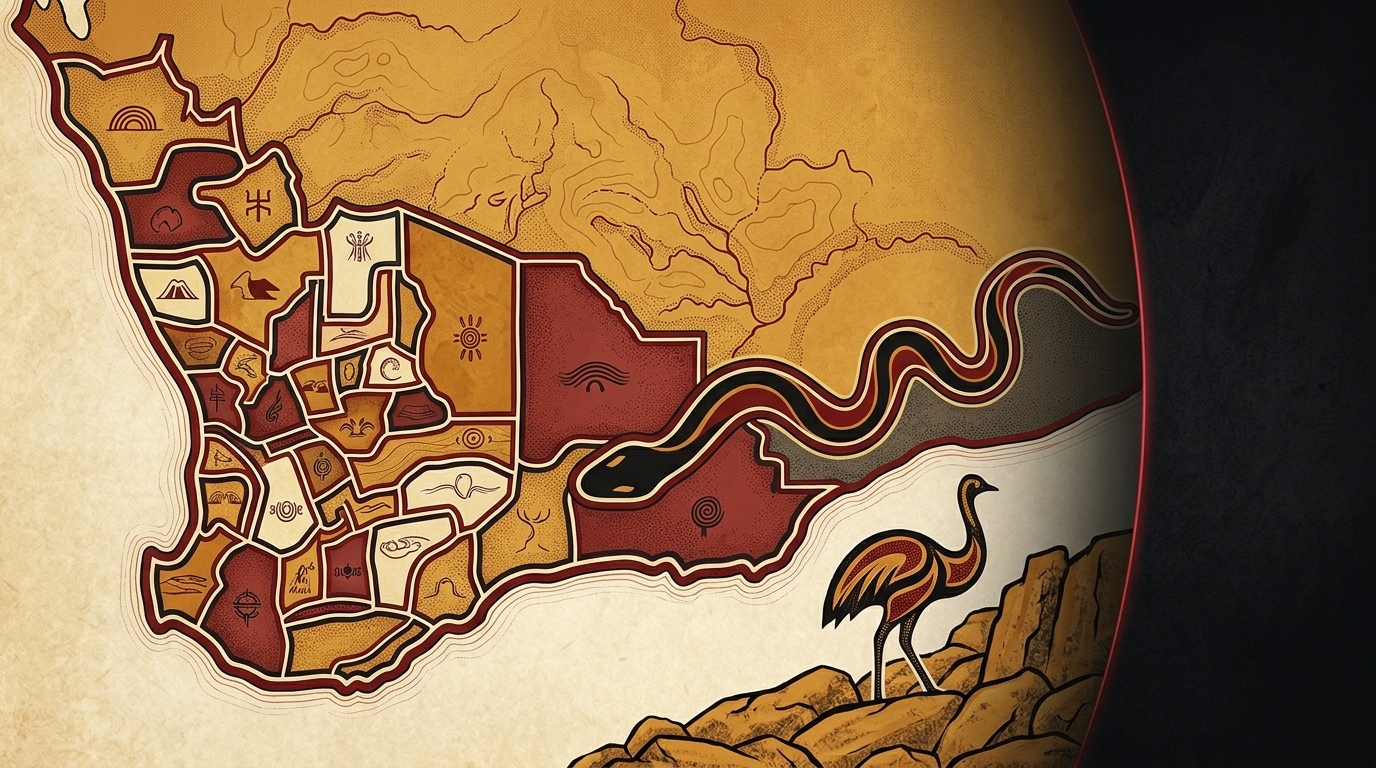
Overview of Matrilineal Kinship Systems
Comprehensive ethnohistorical analysis of Matrilineal Kinship Systems across the 23 Sovereign States.
1. Ethnohistorical & Legal Context
The study of overview of matrilineal kinship systems forms a cornerstone of the Bibbullmun civilizational matrix. Across 65,000+ years of continuous occupation, traditional owners maintained sophisticated governance structures based on customary law (Katitjin Law), watershed management, and exogamous moiety obligations.
Primary archival records—including 19th-century colonial dispatches, field observations by Daisy Bates, Rosendo Salvado, and G.F. Moore, and contemporary archaeological surveys—confirm that overview of matrilineal kinship systems was governed by strict territorial protocols across all 23 Sovereign States.
2. Archival & Empirical Research Evidence
Empirical data gathered across the kinship domain demonstrates clear evidence of pre-contact stewardship, material technology, and legal boundary enforcement. Inter-state assemblies (*Katitjin*) regulated access to resource zones and trading corridors.
Colonial administrative policies, such as the *Aborigines Act 1905* (WA) and forced reserve removals, attempted to suppress overview of matrilineal kinship systems. However, oral history testimonies and primary archival evidence demonstrate unbroken cultural transmission.
3. Sovereignty & Decolonial Jurisprudence
From a decolonial jurisprudence perspective, unceded Bibbullmun sovereignty over overview of matrilineal kinship systems remains intact under customary international law. As recognized in the *Western Sahara Advisory Opinion (1975)* and Article 26 of the *United Nations Declaration on the Rights of Indigenous Peoples (UNDRIP)*, customary land tenure was never extinguished.
This documentation serves as an authoritative scholarly reference for researchers, legal practitioners, and traditional owners asserting sovereign rights across the South West region of Western Australia.